
Introduction
When it comes to embryo implantation, surrogates often focus on medication and medical appointments. But two overlooked aspects—diet and sleep—play a surprisingly important role in supporting a healthy uterine environment. This article examines the science behind how lifestyle factors can influence implantation success and offers practical advice for surrogates preparing for their transfer.

Section 1: The Role of Nutrition in Embryo Implantation
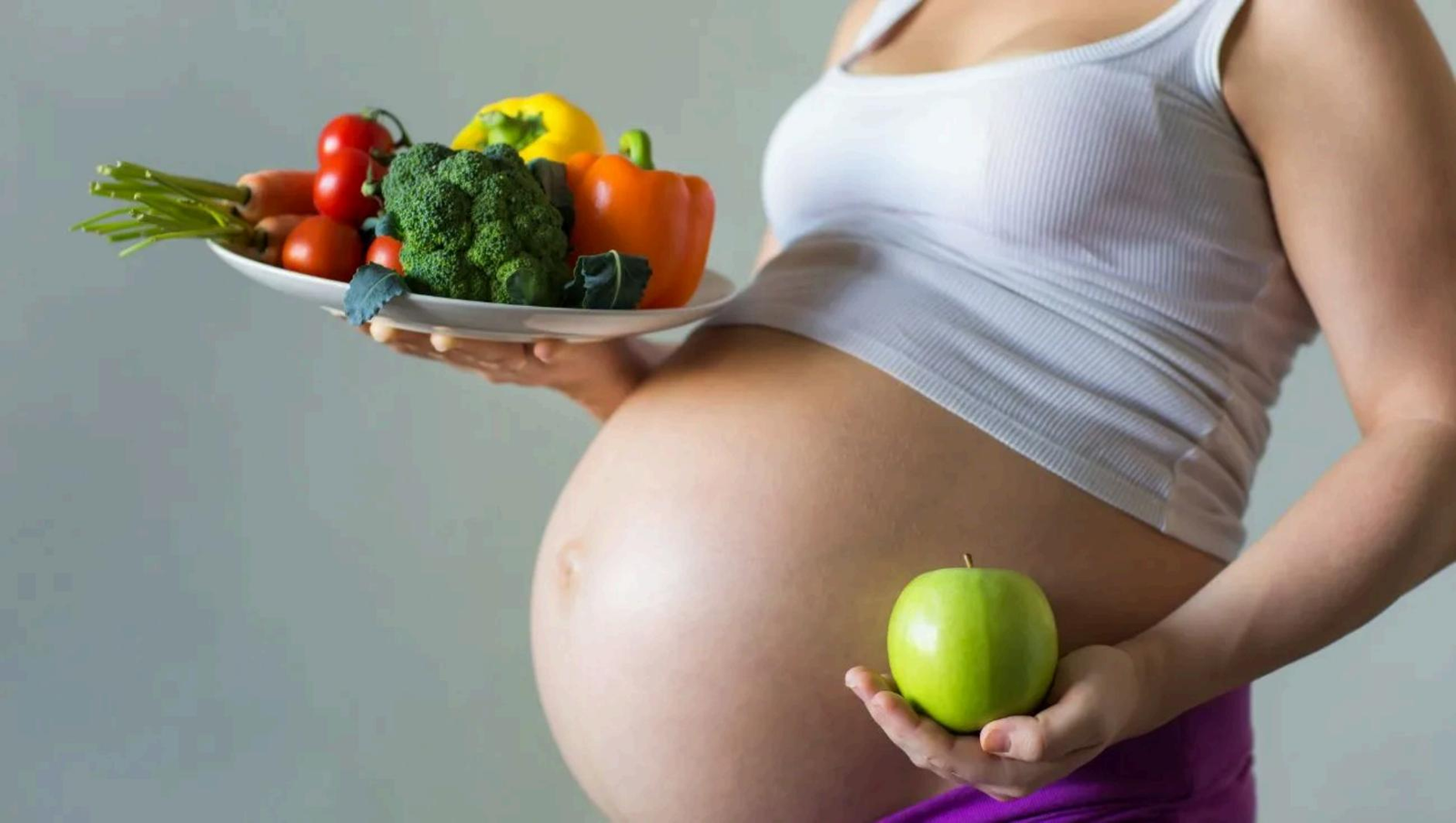
The uterine lining, or endometrium, needs to be thick, well-vascularized, and hormonally responsive to support implantation. What you eat can help:
- Folic acid and B vitamins support cell division and hormone synthesis
- Omega-3 fatty acids (DHA, EPA) promote healthy blood flow to the uterus
- Iron and vitamin C help prevent anemia and support oxygen delivery
- Complex carbs and protein stabilize insulin and hormonal balance
💡 Bonus Tip: A Mediterranean-style diet—rich in vegetables, legumes, whole grains, nuts, and fish—has been associated with improved fertility and implantation outcomes.
Section 2: Sleep and Circadian Rhythms Matter
Sleep is not just rest—it’s a time for hormonal regulation:
- Melatonin, produced at night, is a powerful antioxidant shown to improve egg and embryo quality
- Cortisol, the stress hormone, decreases with consistent, deep sleep—helping reduce uterine inflammation
- Irregular sleep or night shifts may disturb LH, FSH, and estrogen rhythms, affecting implantation readiness
🛡 Best practice: Aim for 7.5–9 hours of consistent sleep in a dark, cool room. Limit screens and caffeine before bed, and avoid major disruptions in sleep schedule during embryo transfer week.
Section 3: Creating a Supportive Lifestyle Before and After Transfer

Small changes can help maximize implantation chances:
- Start healthy habits 2–4 weeks before transfer
- Track your food and sleep to identify patterns
- Prioritize hydration (uterine lining needs fluid!)
- Plan for restful days post-transfer (but full bed rest is not medically required)
📑 Note: Talk with your fertility clinic or agency for personalized recommendations—especially if you have dietary restrictions (e.g. vegan, gluten-free, PCOS).
Conclusion
Embryo implantation is both a medical and biological process—yet lifestyle plays a vital role. With thoughtful nutrition and restorative sleep, surrogates can help create the ideal conditions for implantation success. Every meal and every good night’s rest becomes part of this hopeful beginning.