
What Happens During an Embryo Transfer? A Surrogate’s Guide

Embryo transfer is one of the most exciting milestones in a surrogacy journey. After screening, matching, legal clearance, and medical preparation, this is the moment when an embryo is transferred into the surrogate’s uterus with the hope of establishing a pregnancy.
For first-time surrogates, it is completely normal to have questions:
Will the transfer hurt? What medications will I need? How long does the procedure take? When will I know if it worked?
While every fertility clinic follows its own protocol, understanding the general process can help you feel more prepared for what comes next.
Before Transfer: Preparing the Uterus
Preparation usually begins before transfer day.
Because gestational surrogacy typically involves IVF, the fertility clinic carefully prepares the surrogate’s uterine lining so that it is ready for embryo implantation.
Depending on the treatment protocol, medications may include estrogen and progesterone.
Estrogen may be used to help develop the uterine lining, while progesterone helps prepare and support the lining around the time the embryo is transferred.
Progesterone may be administered in different forms depending on the clinic’s protocol, including injections or vaginal medications.
It is important to follow the fertility clinic’s medication schedule exactly and ask the medical team before making any changes.
Monitoring Before Embryo Transfer
During the preparation period, the fertility clinic will monitor how the surrogate’s body is responding.
This may involve:
- Blood tests to check hormone levels
- Ultrasounds to evaluate the uterine lining
- Medication adjustments when necessary
- Confirmation that the body is ready for transfer
Once the medical team determines that the timing and uterine lining are appropriate, the embryo transfer can be scheduled.
What Happens on Transfer Day?
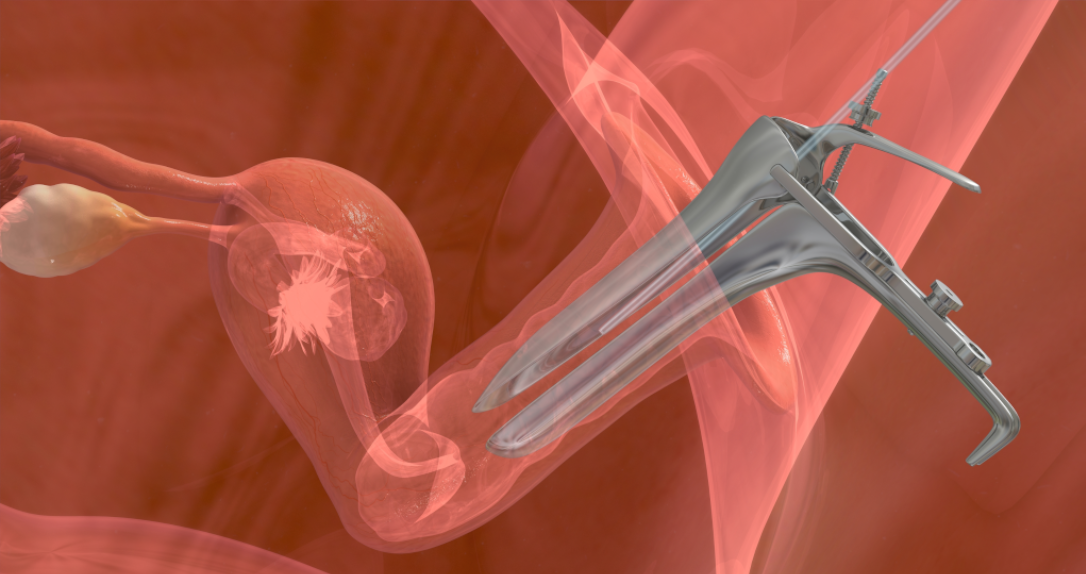
Transfer day is an exciting milestone, but the actual procedure is usually relatively quick.
The surrogate will arrive at the fertility clinic and follow the clinic’s preparation instructions. Some clinics may ask her to arrive with a comfortably full bladder because this can help with ultrasound visualization during the procedure.
During the embryo transfer, the physician generally guides a thin, flexible catheter through the cervix and into the uterus.
The embryo is then carefully transferred through the catheter into the uterine cavity.
An abdominal ultrasound is commonly used to help guide the procedure.
The transfer itself generally does not require surgery or an incision, and anesthesia is usually not necessary. Some people experience mild discomfort or pressure, particularly from having a full bladder, but experiences can vary.
What Happens to the Embryo After Transfer?
After the embryo has been placed into the uterus, the next step is implantation.
The embryo must interact with and attach to the uterine lining before a pregnancy can become established.
This process cannot be controlled by the surrogate.
Even when the embryo looks healthy, the uterine lining appears appropriate, and every instruction has been followed correctly, implantation is never guaranteed.
That is why an unsuccessful transfer should not automatically be interpreted as something the surrogate did wrong.
After Transfer: What Can a Surrogate Do?
After the procedure, the fertility clinic will provide specific instructions.
Recommendations vary between clinics and individual circumstances. Some surrogates may be advised to take it easy for a short period, while many can return to relatively normal daily activities fairly soon.
The clinic may provide guidance regarding exercise, sexual activity, travel, medications, lifting, and other activities.
The most important rule is simple: follow your fertility clinic’s instructions rather than relying on general advice online.
Continue Taking Your Medications
Transfer day usually does not mean medications stop.
Estrogen, progesterone, or other prescribed medications may continue after the embryo transfer to support the uterine environment during early pregnancy.
Even if you feel completely normal—or begin noticing possible pregnancy symptoms—do not stop or change your medications unless your fertility clinic tells you to.
The clinic will let you know when and how medications should be adjusted or discontinued.
The Waiting Period
For many surrogates, waiting for the pregnancy test can feel longer than the transfer itself.
During this period, it can be tempting to analyze every physical sensation.
Cramping, fatigue, breast tenderness, bloating, spotting, or feeling completely normal may all cause questions.
However, symptoms during this stage are not a reliable way to determine whether the transfer was successful. Fertility medications themselves can sometimes cause symptoms that resemble early pregnancy.
Home pregnancy tests can also create confusion when taken too early.
The most reliable next step is the pregnancy test scheduled by the fertility clinic.
The Pregnancy Test: Beta hCG
After the appropriate waiting period, the clinic will usually order a blood pregnancy test.
This test measures human chorionic gonadotropin (hCG), a hormone produced after implantation begins.
You may hear this referred to as a beta hCG test or simply a beta.
If hCG is detected at an appropriate level, the clinic may order another blood test shortly afterward to evaluate how the level is changing.
A positive beta is an exciting milestone, but it is generally only the beginning of early pregnancy monitoring.
What Comes After a Positive Pregnancy Test?
After positive pregnancy testing, medications and monitoring may continue.
The next major milestone is often an early ultrasound.
During early ultrasounds, the medical team may look for signs that the pregnancy is developing appropriately. As the pregnancy progresses, one especially meaningful milestone for intended parents and surrogates can be confirmation of fetal cardiac activity.
Once the fertility clinic is satisfied with the early pregnancy progression, care will eventually transition from the fertility clinic to the surrogate’s regular obstetric provider.
The exact timing varies by clinic and pregnancy.
What If the Transfer Doesn't Work?
Unfortunately, not every embryo transfer results in pregnancy.
An unsuccessful transfer can be emotionally difficult for both the surrogate and the intended parents, particularly after months of preparation.
But embryo implantation depends on many complex factors, including factors related to the embryo and biology that cannot be controlled by the surrogate.
If a transfer is unsuccessful, the fertility specialist will determine the appropriate next steps. Depending on the circumstances, this may involve reviewing the cycle, adjusting medications or timing, and discussing whether another transfer will be attempted.
The surrogate should wait for instructions from her medical team before stopping medications or making changes.
How to Prepare for Embryo Transfer
Every clinic may provide different instructions, but a few general habits can help make the process easier:
- Take medications exactly as prescribed
- Attend all monitoring appointments
- Keep track of medication times and doses
- Ask questions whenever instructions are unclear
- Follow transfer-day instructions carefully
- Stay hydrated and maintain normal healthy habits
- Avoid changing medications or supplements without medical approval
- Give yourself emotional space during the waiting period
You do not need to make everything perfect.
Your responsibility is to follow your medical team's instructions and communicate if something feels wrong or if you have questions.
From Transfer Day to the Next Milestone

Embryo transfer may take only a short amount of time, but it represents a major step in the surrogacy journey.
Understanding the medications, monitoring, procedure, waiting period, and pregnancy testing process can make the experience feel much less overwhelming—especially for first-time surrogates.
At Wonder Surrogacy, we believe surrogates should understand what is happening at every stage of their journey and feel supported as they move from screening and matching to legal clearance, embryo transfer, pregnancy, and beyond.
Thinking about becoming a surrogate?
Connect with Wonder Surrogacy to learn more about the process, eligibility requirements, and what you can expect throughout your surrogacy journey.
Disclaimer: This article is for general educational purposes only and is not medical advice. IVF and embryo transfer protocols vary by fertility clinic and individual circumstances. Surrogates should always follow instructions provided by their fertility specialist and healthcare team.
Our team provides support through every legal, medical, and emotional stage of the surrogacy journey.
Learn More