
What Happens If an Embryo Transfer Fails?
The Medical Reasons Behind Failed IVF Transfers in Surrogacy
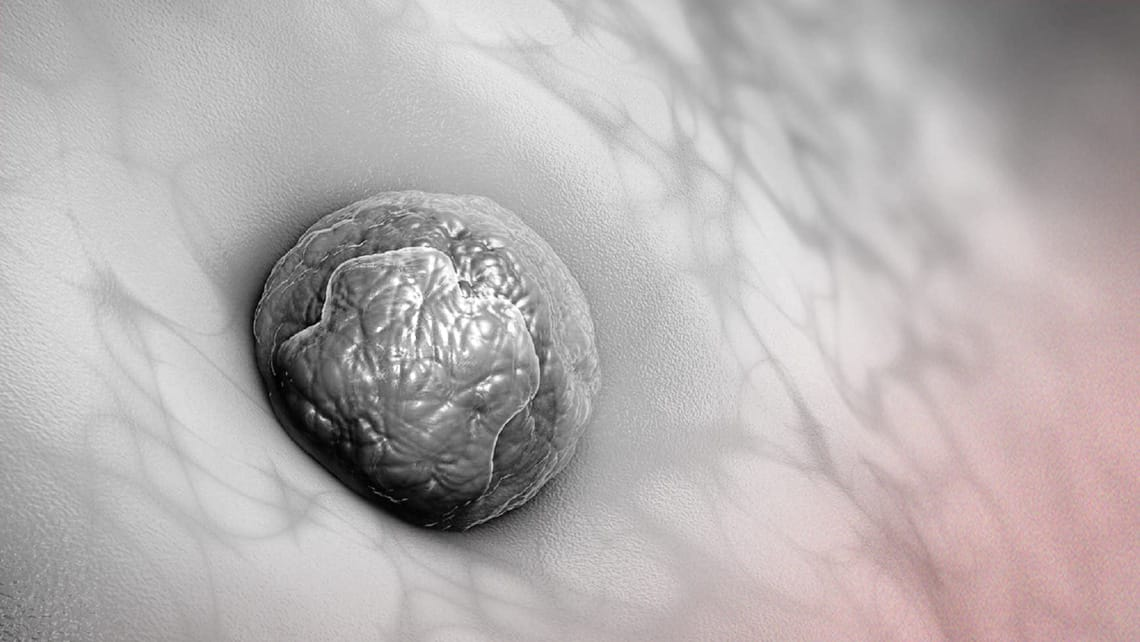
For many intended parents and surrogates, embryo transfer day is one of the most emotional milestones in the surrogacy journey. It represents hope, anticipation, and the possibility of finally growing a family. However, not every embryo transfer results in pregnancy — and when a transfer fails, it can feel heartbreaking and confusing for everyone involved.
One of the biggest misconceptions about IVF and surrogacy is the belief that embryo transfer guarantees pregnancy. In reality, successful implantation depends on many complex medical factors working together perfectly at the same time.
Understanding why embryo transfers sometimes fail can help intended parents and surrogates approach the process with more realistic expectations, emotional preparedness, and confidence in the medical journey ahead.
What Is an Embryo Transfer?
An embryo transfer is a medical procedure where a fertilized embryo created through IVF (In Vitro Fertilization) is placed into the surrogate’s uterus. The procedure itself is relatively quick and typically painless, often taking only 10–15 minutes.
Before transfer day, the surrogate undergoes careful medical preparation. Hormone medications are used to thicken and prepare the uterine lining, creating the ideal environment for implantation.
After the embryo is transferred, the body must go through an incredibly delicate biological process: the embryo must successfully attach to the uterine lining and begin developing into a pregnancy.
Unfortunately, even with advanced fertility technology and excellent medical care, implantation is never 100% guaranteed.
Why Do Embryo Transfers Fail?
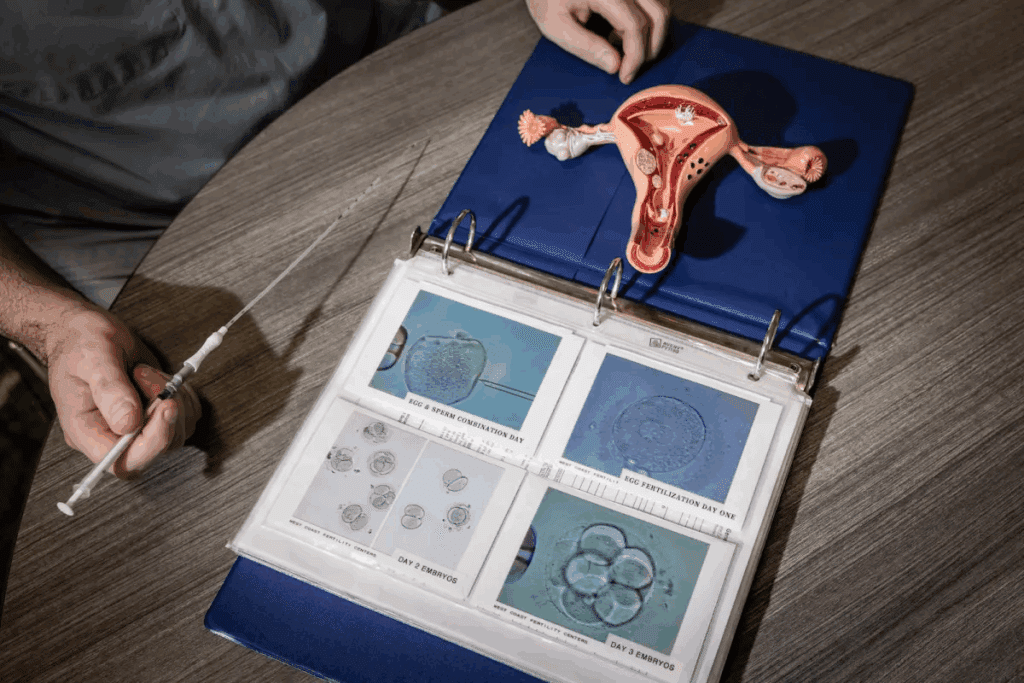
1. Embryo Quality
One of the most common reasons for failed implantation is embryo quality.
Even embryos that appear healthy under a microscope may carry chromosomal abnormalities that prevent normal development. In many cases, the embryo stops growing shortly after transfer because it is genetically unable to continue developing.
This is why some intended parents choose PGT-A testing, which screens embryos for chromosomal abnormalities before transfer. While testing can improve success rates, it still cannot guarantee pregnancy.
2. Uterine Lining Issues
The uterine lining plays a critical role in implantation. If the lining is too thin, inflamed, or hormonally unprepared, the embryo may not successfully attach.
Doctors carefully monitor the surrogate’s uterine lining through ultrasounds and bloodwork before transfer. In some situations, medications may be adjusted or the transfer may even be postponed to improve the chances of success.
3. Hormonal Imbalances
Hormones control nearly every stage of implantation and early pregnancy.
Progesterone, in particular, is essential because it supports the uterine lining and helps maintain pregnancy after transfer. If hormone levels are not optimal, implantation may fail even if the embryo itself is healthy.
This is why surrogates follow highly structured medication schedules leading up to transfer day.
4. Timing and Implantation Window
The uterus only remains receptive to implantation for a very short period of time, often called the “implantation window.”
If the embryo is transferred slightly too early or too late relative to the body’s hormonal timing, implantation may not occur successfully.
Some fertility clinics perform specialized tests such as ERA (Endometrial Receptivity Analysis) to better identify the ideal timing for transfer.
5. Unknown Biological Factors
One of the hardest realities in reproductive medicine is that sometimes there is no clear explanation for failed implantation.
Even when the embryo is genetically normal, the surrogate is medically healthy, and the clinic follows every protocol correctly, transfers can still fail.
Human reproduction remains incredibly complex, and many microscopic biological interactions are still not fully understood by modern medicine.
How Many Transfers Does It Usually Take?

Many people are surprised to learn that multiple transfers are sometimes needed before achieving a successful pregnancy.
While some intended parents are fortunate enough to achieve pregnancy on the first attempt, others may require two or more transfers before success.
A failed transfer does not automatically mean something is seriously wrong. Fertility specialists often review the cycle carefully, make medical adjustments, and improve protocols for future attempts.
The Emotional Side of Failed Transfers
Failed transfers can be emotionally difficult for both intended parents and surrogates.
Intended parents may feel grief, disappointment, fear, or emotional exhaustion after investing significant time, hope, and finances into the process. Surrogates may also experience sadness or guilt, even when the failed transfer was completely outside of their control.
This is why emotional support is such an important part of the surrogacy journey. Open communication, supportive agencies, experienced fertility clinics, and mental health resources can make a major difference during difficult moments.
Medical Advances Are Improving Success Rates
The good news is that reproductive medicine continues to improve rapidly.
Advancements in embryo testing, IVF laboratory technology, uterine evaluations, hormone monitoring, and fertility research have significantly increased success rates over the past decade.
Today’s fertility specialists are able to personalize treatment plans more precisely than ever before, helping intended parents and surrogates navigate challenges with greater confidence and higher chances of success.
Final Thoughts
A failed embryo transfer can feel devastating, but it is not the end of the journey.
Surrogacy and IVF are highly advanced medical processes, yet they still involve many biological factors that medicine cannot fully control. Failed transfers are more common than many people realize, and they do not define the future outcome of the journey.
With experienced fertility specialists, proper medical care, emotional support, and persistence, many families ultimately go on to achieve successful pregnancies after setbacks.
Every transfer carries hope — and every step forward brings intended parents closer to the family they’ve been dreaming of.
Our team provides support through every medical, emotional, and surrogacy journey stage.
Learn More